
STORAGE FACILITY
STORAGE FACILITY
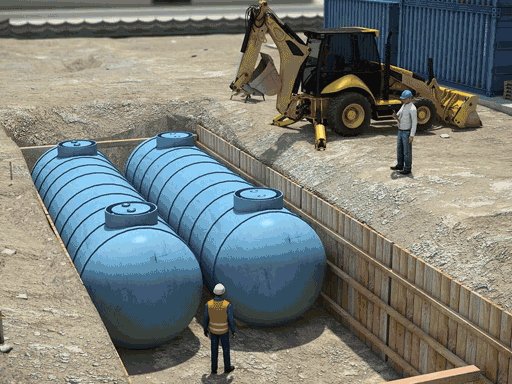
Storage Facilities means those facilities that are owned, controlled, or operated by a person offering storage service for natural gas and generally means any underground reservoir suitable for the storage of natural gas and the facilities used to inject and withdraw natural gas into and out of that underground
WHAT DO WE DO?
Innovation
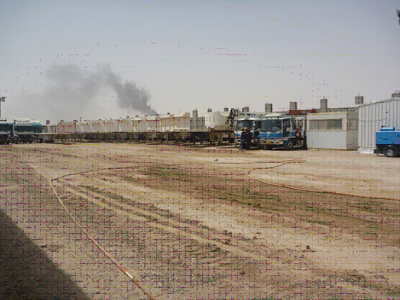
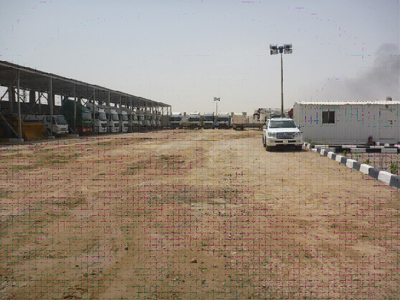
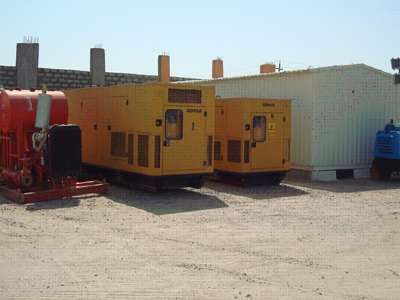
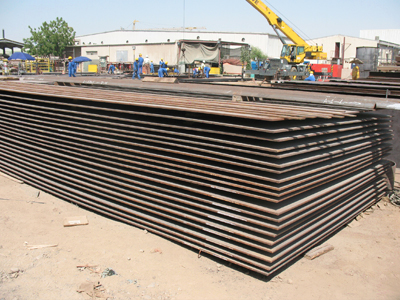
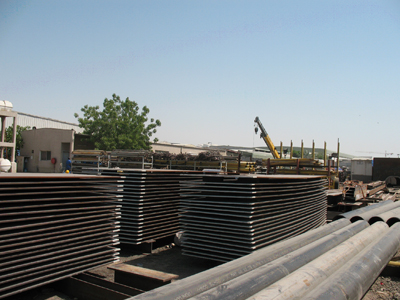
owns and makes available its 12,500 m2 Basrah land-based facility for use in constructing and executing all its projects. We employ 24/7 security and CCTV facilities providing a safe faciity for our employees and Customers equipment. We have ample storage capacity to work with our Customers, whether it be during an active project or as a "transition yard" between projects.

Storage Facility Projects Definition
What is the best type of gas storage?
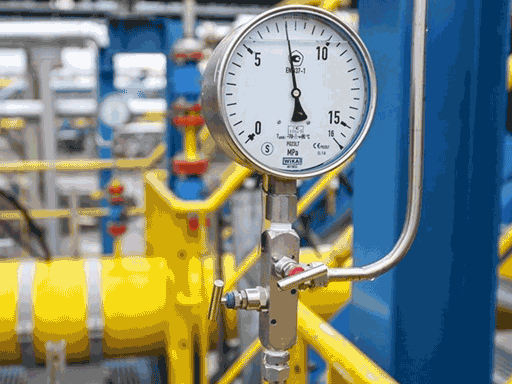
The best type of hydrogen storage depends on its intended use and operating environment. Pressurized storage is the most common, where hydrogen is stored in robust tanks under high pressure and is suitable for cars and portable power plants. Liquid storage is used when higher energy density is needed or for long-distance transportation, but it requires extreme cooling and is more expensive. Solid-state storage, using materials that absorb hydrogen and release it when needed, is also safe and stable, but is still under development. Overall, pressurized storage offers the most balanced combination of efficiency, cost, ease of use, and transport. As technology advances, hybrid solutions may emerge to optimize storage across various applications.
What is the difference between dry storage and cold storage of gas?
Dry storage and cold storage of gas differ in terms of storage conditions and purpose. Dry storage refers to storing gas in closed tanks or pipes at room temperature or relatively high temperatures without the need for refrigeration. It is usually used to store gas in its natural state or after processing. Cold storage, on the other hand, relies on cooling the gas to very low temperatures, sometimes reaching a liquid state, as in the case of liquefied natural gas (LNG). This type of storage is used to reduce the volume of the gas and facilitate its transport or to store larger quantities in a smaller space. It also requires special infrastructure to isolate temperatures and keep the gas in its refrigerated state.